
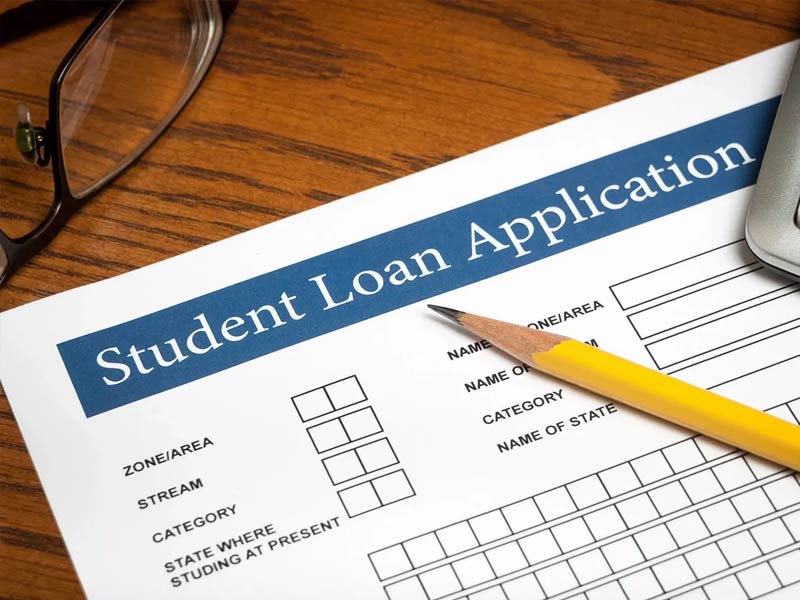
If you’re taking out a student loan this fall or are already on track for student loan forgiveness through programs like Public Service Loan Forgiveness (PSLF) or Income-Driven Repayment (IDR), you might be wondering how the new tax law will affect you.
A Quick Refresher
For years, the student loan system offered a complex menu of repayment options including income-contingent, income-based, standard, graduated, extended, and more. Borrowers pursuing Public Service Loan Forgiveness (PSLF) often struggled to navigate which plans qualified.
What’s Changing
A new repayment option that could simplify forgiveness
A new income-driven repayment plan called the Repayment Assistance Plan (RAP) is under discussion and development, with an expected launch in the coming years. Should it be implemented, on-time payments made under RAP would likely count toward Public Service Loan Forgiveness (PSLF), potentially making the forgiveness process more accessible for some public servants.
Still, much about RAP remains unclear. Details like how monthly payments will be calculated, how it compares to existing plans like Income Based Repayment (IBR), and how borrowers will transition into the new plan have not yet been fully defined. Borrowers should monitor developments closely before making any changes to their current strategy.
End of Income Contingent Repayment (ICR) and Pay As You Earn (PAYE) repayment plans
Two popular repayment options, Income Contingent Repayment (ICR) and Pay As You Earn (PAYE), are proposed to be phased out. Borrowers currently using either of these plans may eventually be transitioned into the new Repayment Assistance Plan (RAP), Income Based Repayment (IBR), or another authorized plan before July 1, 2028.
However, due to recent court rulings and injunctions, both PAYE and ICR have been temporarily reopened as alternatives to the SAVE plan. While they remain available for now, borrowers should understand that these options are not guaranteed long term. If you’re currently enrolled in PAYE or ICR, it’s important to stay informed about future changes and how your loan servicer plans to handle the eventual transition.
Expanded rehabilitation opportunities for defaulted loans
The new law gives borrowers who default on federal student loans a second chance. Under previous rules, loans could only be rehabilitated once. Now, borrowers can rehabilitate a loan twice, offering a second path to get back in good standing and restore eligibility for benefits like income driven repayment or deferment.
New borrowing limits for graduate and parent borrowers
The law sets new caps on how much graduate students and parents can borrow through federal student loans. Graduate PLUS loans, which previously allowed borrowing up to the full cost of attendance, will be eliminated. Parent PLUS loans will also face borrowing limits. This marks a major shift for families and students who have relied on these loans to cover gaps not met by other aid.
At Custom Fit Financial, we specialize in advice only fee only retirement planning for individuals and couples age 55 and over. We offer hourly and project based financial planning with no sales pressure or product commissions. Whether you’re in Cedar Rapids, Iowa City, or working with us virtually across the United States, we help you make confident informed decisions about your retirement.
Curious how these student loan changes might affect your household or financial plan? Schedule your free intro call today.